
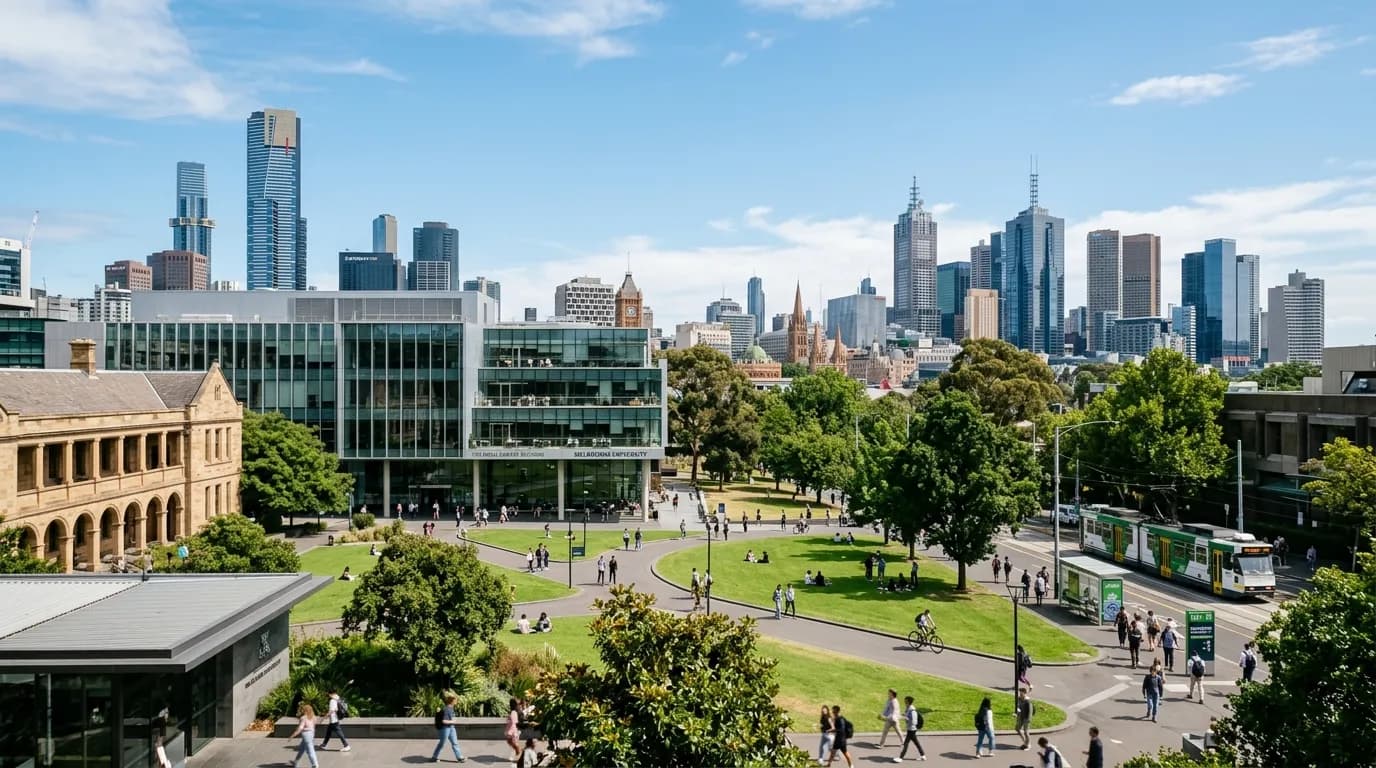
Study in Australia from Bangladesh
Compare universities, test requirements, funding options, and the student visa process. Build a realistic plan based on your academic background and budget.
Explore this guide
Australia at a Glance
Main intakes
February and July, Additional starts vary
Primary study visa
Student visa (Subclass 500)
Course/provider verification
CRICOS
Health cover
OSHC for the required period
Work while studying
Generally up to 48 hours per fortnight during study periods, Conditions apply
Currency
Australian dollar (AUD)
Is Australia right for you?
Take a realistic look at your profile and goals before committing to the Australia process.
This may suit you if...
- You want a high-quality education in a safe, multicultural environment
- You are prepared to meet strict English language requirements
- You appreciate strong legal protections for international students
- You can explain a logical connection between the program and your goals
- You have transparent and verifiable sources of funding
Pause and compare if...
- Your budget depends on unauthorized or uncertain employment
- You assume admission automatically results in a visa
- You selected an institution without checking CRICOS registration
- You expect full-ride scholarships to be easily available
- You are choosing solely for immediate immigration outcomes
Why choose Australia for your studies?
Explore the practical learning, student protections and range of study pathways available through Australian education providers.
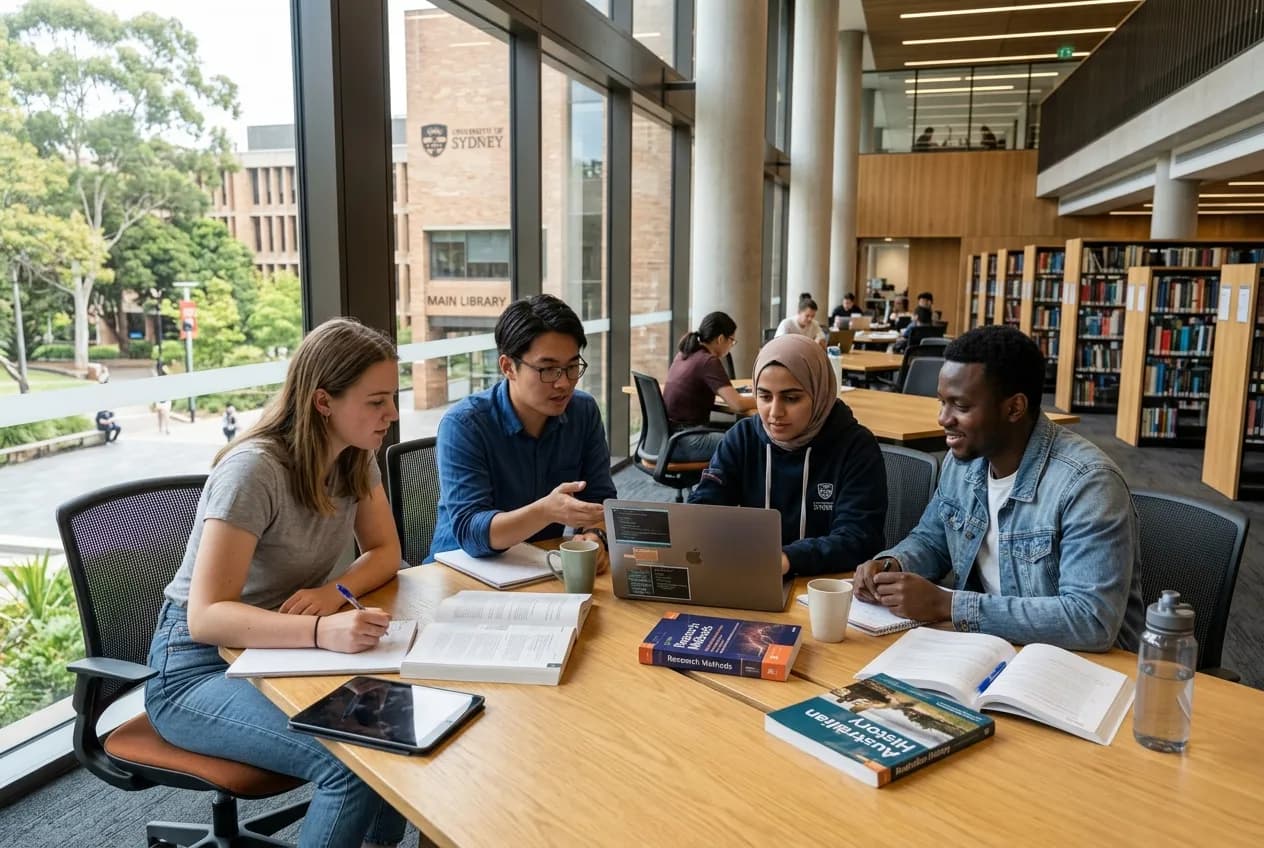
The right choice depends on course fit, total cost, provider credibility and your long-term academic goals.
Recognized education
Qualifications from established Australian providers are widely recognized
Applied learning
Many programs emphasize projects, placements and practical experience
Student protections
CRICOS, ESOS and the Tuition Protection Service provide an established regulatory framework
Multicultural student cities
Students can choose from major metropolitan and regional study locations
Research and innovation
Opportunities across technology, health, sustainability and other fields
Multiple study pathways
University, vocational, pathway and research options are available depending on eligibility
Popular Courses and Study Areas
Information Technology
Software engineering, cybersecurity, and data analytics.
Engineering
Civil, mechanical, electrical, and mining engineering.
Nursing and Healthcare
Registered nursing, public health, and aged care.
Business and Management
MBA programs, accounting, and global business strategies.
Education and Teaching
Early childhood, primary, and secondary education.
Environmental Science
Sustainability, marine biology, and climate policy.
Agriculture and Vet Science
Agribusiness, food security, and animal health.
Architecture and Design
Urban planning, graphic design, and industrial design.
Hospitality and Tourism
Hotel management, event planning, and culinary arts.
Research and Doctoral Study
Intensive PhD programs with research opportunities.
Match your study interests with your profile and budget
Compare your academic background and expected study costs before narrowing down Australian courses and providers.
Financial & Application Document Checklist
Important: Required documents differ by individual profile and circumstances. AdmissionArena does not provide legal or migration advice. Always use the official Department of Home Affairs Document Checklist Tool to verify your specific requirements.
Identity
- Valid passport
- Current contact and biographical information
- Dependant identity documents where applicable
Academic records
- Certificates
- Transcripts
- Certified translations where required
- Grading-scale information where requested
Testing
- English-language evidence (IELTS, PTE, TOEFL)
- GTE/GS requirement documents
- GRE/GMAT only where required
- Professional/program tests where applicable
Application
- Statement of purpose (SOP)
- Recommendations where required
- CV/résumé for relevant programs
- Portfolio/research proposal where applicable
- Application fee where applicable
Financial evidence
- Evidence of sufficient funds for tuition and living
- Bank statements or sponsor evidence
- Scholarship letter where applicable
- Genuine access to funds demonstration
Visa preparation
- Confirmation of Enrolment (CoE)
- Overseas Student Health Cover (OSHC)
- Health examination results (HAP ID)
- Biometrics collection
- Visa application form and fee
- Additional evidence requested by DHA
Intakes and Preparation Timeline
Note: These phases serve as a general guide. Processing times for applications and visas vary significantly. Do not treat these as fixed timelines.
Phase 1: Research
- Research institutions and pathways
- Build a realistic budget
- Plan required tests
- Review funding options
Phase 2: Prepare & Apply
- Finalize shortlist
- Prepare SOP, recommendations and transcripts
- Take English tests (IELTS/PTE)
- Submit applications
Phase 3: Acceptance
- Review Offer Letters
- Accept the selected offer
- Pay initial tuition fee and arrange OSHC
- Receive Confirmation of Enrolment (CoE)
Phase 4: Visa
- Complete medical check (HAP ID)
- Submit Subclass 500 visa application
- Provide Biometrics
- Wait for visa decision
- Arrange flights and accommodation
Indicative Cost of Studying in Australia
Total costs vary heavily by location, institution, program, and lifestyle. Programs like Medicine, Dentistry, Veterinary Science, Aviation, and lab-intensive sciences typically cost significantly more. Do not imply that part-time earnings will cover the full cost of studying and living.
Tuition (Undergraduate)
Tuition (Postgraduate)
Living Costs (Required by DHA)
OSHC (Health Insurance)
Student Visa Fee
Want to estimate your exact costs?
Use our comprehensive Cost of Studying Abroad Calculator to build a personalized budget based on your specific degree, city, and lifestyle choices.
Open Cost CalculatorScholarships for Australia
Scholarships are highly competitive.
Australia Awards
Prestigious scholarships funded by the Australian Government.
Destination Australia
Funding to support study in regional Australia.
University merit scholarships
Awarded by individual universities based on academic excellence.
Research Training Program (RTP)
For international students undertaking a Masters by Research or PhD.
Are you eligible for a scholarship?
Use our Scholarship Checker to find funding opportunities matching your academic profile.
Examples of established Australian universities
Australia is home to world-class institutions across the country. Here are some established universities known for their academic excellence.
University of Melbourne
Research, Business, Medicine
Australian National University (ANU)
Politics, Humanities, Science
University of Sydney
Law, Arts, Engineering
University of Queensland (UQ)
Agriculture, Science, Engineering
University of New South Wales (UNSW)
Engineering, Business, Technology
Monash University
Pharmacy, Medicine, Business
University of Western Australia (UWA)
Mining, Oceanography, Science
University of Adelaide
Agriculture, Engineering, Health
Macquarie University
Business, Finance, Linguistics
RMIT University
Art and Design, Technology, Engineering
Deakin University
Sports Science, Nursing, Education
Queensland University of Technology (QUT)
Media, Technology, Nursing
Find Your Ideal Institution
To enroll international students, an institution must be registered on CRICOS. Use the official government database to search for providers and courses.
Student Cities in Australia
Australia's diverse cities offer different lifestyles, living costs, and opportunities. Choose a location that matches your career goals and budget.

Sydney, NSW
Australia's largest city, known for its iconic landmarks and vibrant economy.
Melbourne, VIC
The cultural capital, consistently ranked among the world's most livable cities.
Brisbane, QLD
A sunny, fast-growing city offering a relaxed lifestyle and strong job market.
Perth, WA
A booming regional hub with close ties to Asia and a strong resources sector.
Adelaide, SA
An affordable, well-planned city known for its festivals and food culture.
Canberra, ACT
The purpose-built national capital, offering high living standards and safety.
Work Rights and Responsibilities
Study periods
Generally up to 48 hours per fortnight. Current visa conditions apply
Scheduled course breaks
Work hours may be unrestricted during eligible scheduled breaks
Workplace protections
International students have workplace rights and minimum employment protections
Pay, tax and records
Students should receive lawful pay and payslips and meet applicable tax obligations
Employment should supplement—not replace—your tuition and living-cost plan. Check your visa conditions through VEVO and use Fair Work resources if you need workplace guidance.
OSHC and Student Protections
OSHC
Required health cover for the applicable study/visa period. Coverage and exclusions vary
CRICOS
Official register of providers and courses available to overseas students on student visas
ESOS framework
Establishes education-delivery and student-protection requirements
Tuition Protection Service
May assist eligible international students if a provider cannot fully deliver a course
Always check the provider and course on CRICOS before committing funds, and review the details of your OSHC policy.
Post-Study Options
Working after graduation is a great way to gain experience.
Important Notice
Rules change. Check official sites.
Frequently Asked Questions
Essential information for Bangladeshi students planning to study in Australia.
What is a Subclass 500 visa?
How many hours can I work?
What is OSHC?
What is the Genuine Student (GS) requirement?
Are IELTS/PTE mandatory?
Check official information
Visa rules, fees and eligibility requirements can change. Confirm the latest information through the official Australian Government sources below.